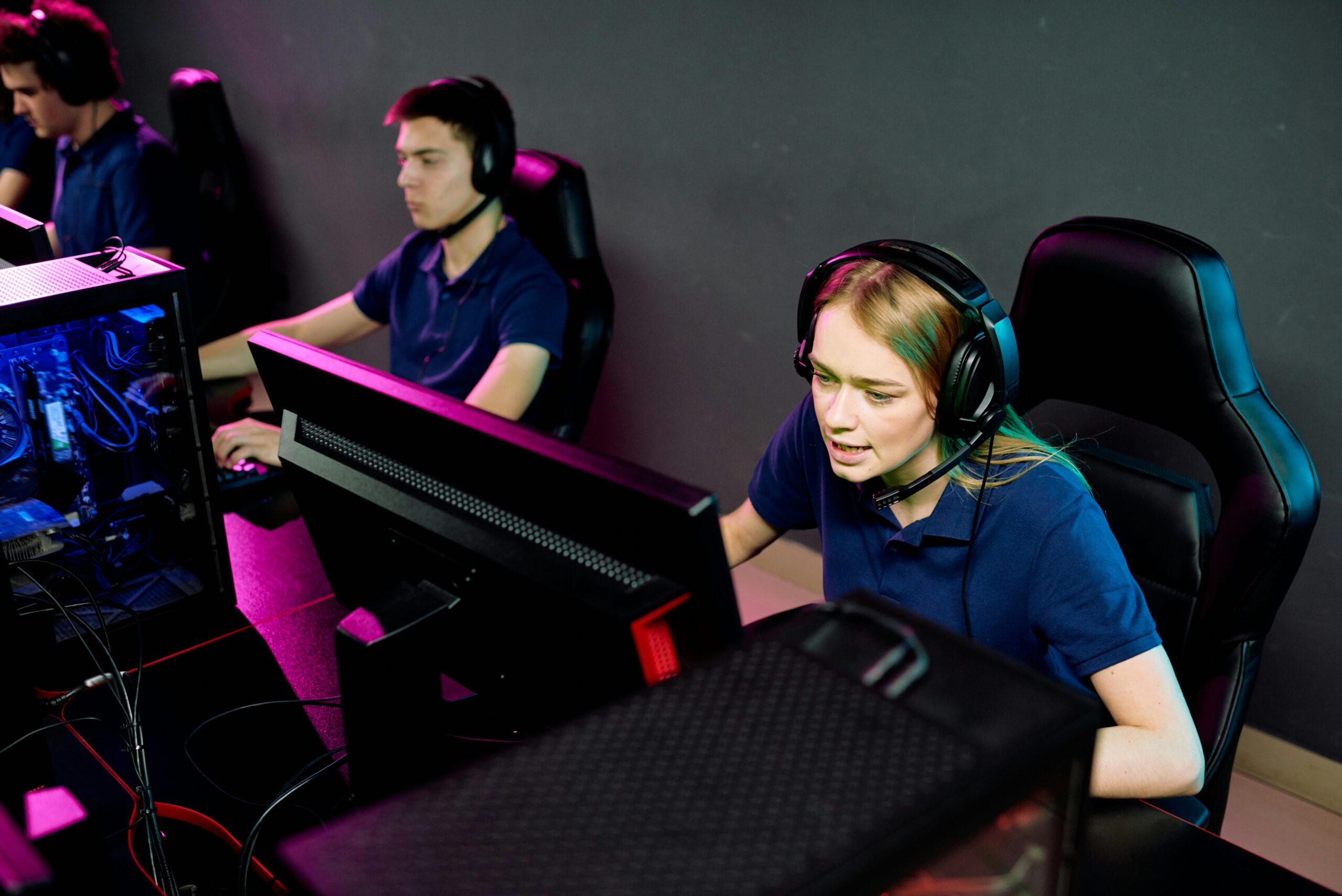
Esports athletes now compete on global stages where mental strength, focus, and discipline shape every performance, much as in traditional sports. As competitive gaming grows, players must master powerful cognitive skills to stay sharp under pressure, maintain consistency, and perform at elite levels.
Although many fans focus on the fast hands and technical gameplay, the reality is that esports requires intense mental training that mirrors the routines of professional sports players.
Building Strong Mental Discipline Through Daily Structure
Esports athletes rely on structured routines because consistency strengthens both focus and decision-making. They often follow daily schedules that guide practice sessions, review gameplay, and build specific skills. With a predictable routine, players reduce stress and increase mental endurance, which helps them remain calm during fast-paced matches. This structure also allows them to track progress and adjust their training when performance changes. Because competitive gaming requires thousands of micro-decisions, strong routines help esports athletes maintain clarity over long periods.
A daily structure also helps prevent burnout, a major challenge in professional gaming. Many aspiring players push themselves too hard without balancing rest, practice, and reflection. Esports athletes who follow structured schedules learn how to sustain high energy without sacrificing mental health. They build habits that resemble those of traditional sports players, balancing workouts, recovery, and strategic review. As a result, they can compete under pressure with greater confidence and sharper focus.
Developing Cognitive Strength and Faster Mental Processing
Competitive gaming depends on rapid reflexes, but it relies even more on fast mental processing. Esports athletes train their brains through targeted drills that improve multitasking, reaction time, and pattern recognition. These exercises help them make accurate decisions even when the game environment becomes chaotic. Because many titles involve complex maps, strategies, and opponents, players must stay mentally alert throughout long competitions. Cognitive drills strengthen decision-making skills that remain essential during every stage of gameplay.
In addition, esports athletes use mental training tools that traditional sports players also depend on, such as visualization and scenario-based practice. Visualization strengthens confidence and teaches players to anticipate challenges before they appear in a match. Scenario training helps them react instinctively when situations shift quickly. With stronger cognitive processing, esports athletes can predict opponents’ behavior, maintain focus, and remain composed in tight situations. These skills give them a competitive advantage and help them perform reliably during international tournaments.
Managing Stress and Pressure in High-Stakes Matches
The mental pressure in esports mirrors that of professional sports, as players compete in front of large crowds and global audiences. Esports athletes must manage stress to perform without hesitation. Many rely on breathing techniques, mindfulness exercises, or short mental resets to stay calm before making critical decisions. These methods keep the mind steady even during the most demanding moments of games. Because competitive matches often come down to split-second choices, staying composed helps players deliver their best performance.
Esports athletes also work with coaches or sports psychologists to strengthen their emotional resilience. Support systems give players tools to handle setbacks, learn from losses, and bounce back stronger. When athletes process stress healthily, they improve their ability to remain focused in future matches. They treat each challenge as an opportunity for growth. This mindset closely resembles the training approach of professional athletes, who must recover quickly after every performance. With stronger emotional control, esports athletes develop long-term confidence that guides them through competitive seasons.
Improving Team Communication and Strategic Thinking
Team-based esports titles require quick communication and clear strategic thinking, just like traditional team sports. Esports athletes train constantly to coordinate plays, share information, and respond quickly to opponents. They practice structured communication during scrimmages so every teammate understands their role. This habit strengthens trust and unity within the team, which improves performance during high-stakes matches. When players communicate clearly, they avoid confusion and maintain control even during fast-paced battles.
Strategic thinking also plays a major role in esports training. Players analyze past games, study opponent habits, and build flexible strategies. They review footage to spot mistakes and refine their teamwork. This approach mirrors how professional sports teams study film to improve their techniques and adapt to different competitors. Because matches change quickly, esports athletes must think several steps ahead. Their ability to adapt becomes one of the strongest factors in long-term success, especially in competitive leagues.
Building Physical Wellness to Support Mental Strength
Although esports focuses on mental ability, physical wellness remains essential for peak performance. Esports athletes train their bodies through exercise routines that improve posture, endurance, and overall health. Physical strength supports mental clarity because a healthy body reduces fatigue and increases focus. Players who care for their physical wellness experience sharper reactions and more stable emotional balance. These benefits help them maintain top performance even during long tournament days.
Nutrition and sleep also play key roles in mental training. Like professional sports players, esports athletes follow balanced diets that support cognitive function and consistent energy levels. They prioritize sleep because it sharpens memory, improves decision-making, and reduces stress. When athletes combine physical wellness with mental discipline, they build a complete foundation for success. This holistic approach reflects how modern competitors prepare their bodies and minds for peak performance.