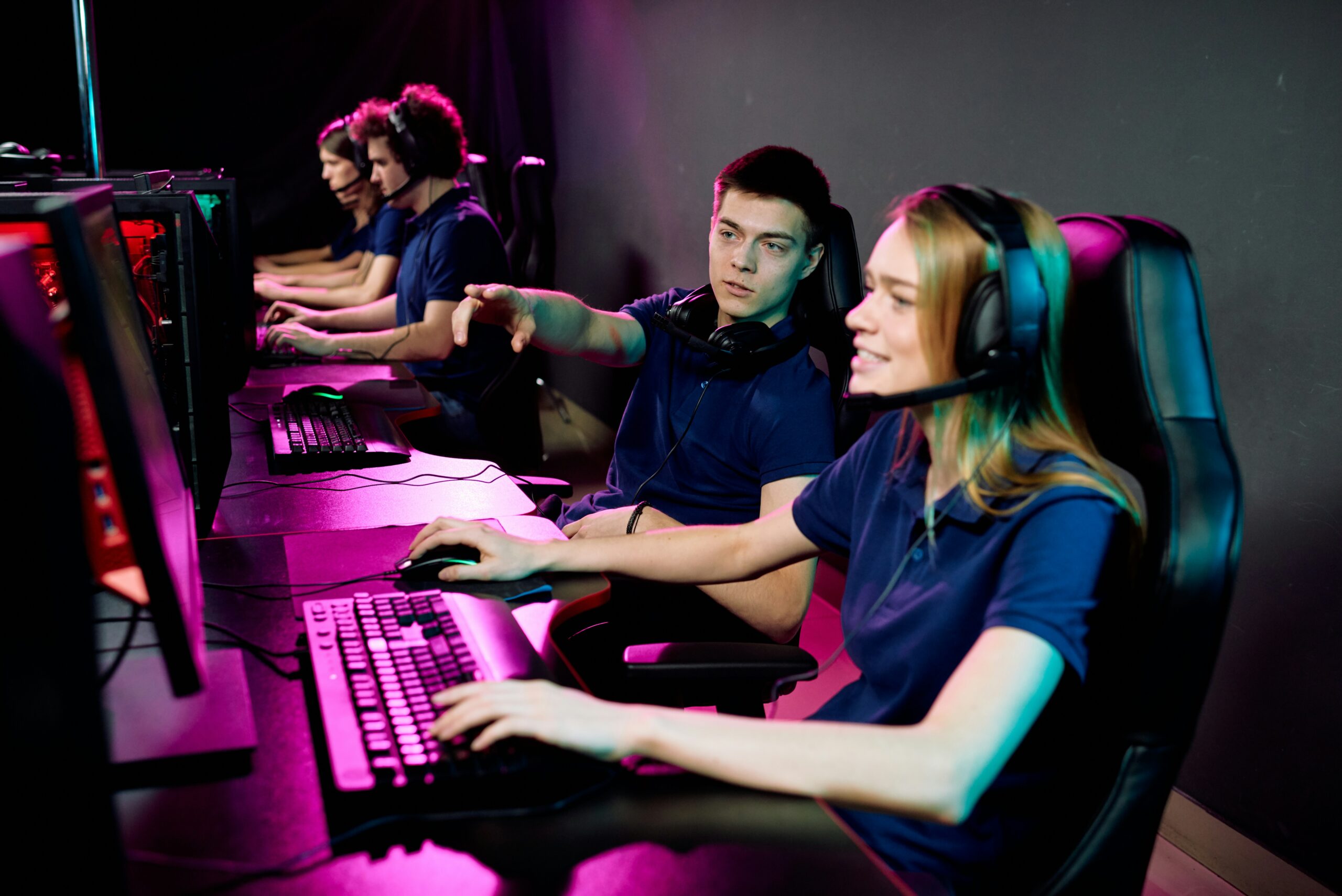
Esports players compete in one of the fastest-growing industries in the world. Professional gaming now attracts millions of viewers, global sponsorships, and international tournaments with massive prize pools. While many people focus on reaction speed and gaming mechanics, the mental side of esports often receives less attention. However, esports players train their minds every day in ways that closely resemble the preparation methods used by professional athletes.
Traditional athletes build focus, emotional control, teamwork, and confidence through years of practice and discipline. In the same way, esports players strengthen their concentration, decision-making, and mental endurance through structured training. Both forms of competition demand consistent performance under pressure. Therefore, the connection between esports and traditional athletics continues growing stronger as people recognize the mental skills required to succeed.
Mental Training Shapes Competitive Performance
Mental training stands at the center of professional esports. Players spend hours improving concentration, communication, and strategic thinking because competition moves quickly and mistakes happen fast. During high-pressure matches, players must remain calm while processing large amounts of information simultaneously.
Professional athletes use similar mental preparation techniques before games and tournaments. Basketball players focus on concentration drills while football quarterbacks practice decision-making under pressure. Likewise, esports players strengthen mental awareness through repetition and focused training sessions. As a result, they improve their ability to react quickly and stay composed during difficult moments.
Mental training also helps competitors remain confident during stressful situations. Players who trust their preparation usually perform more consistently. Therefore, esports organizations now invest heavily in mental coaching and performance psychology.
Focus and Concentration Drive Success
Focus remains one of the most valuable skills in esports. Professional gamers must track enemy movement, teammate communication, and changing objectives simultaneously. A single mistake can shift the outcome of an entire match. As a result, esports players spend years strengthening their concentration and mental sharpness.
Traditional athletes face similar challenges during competition. Soccer players monitor movement across the field while reacting to opponents instantly. Tennis players focus on every serve and return without losing attention. In both esports and sports, strong concentration leads to better decision-making and consistent performance.
Many esports players train focus through practice routines that improve attention span and mental discipline. They often remove distractions, review gameplay carefully, and repeat exercises that demand full concentration. Over time, these habits strengthen mental endurance and improve competitive results.
Quick Decision Making Improves Performance
Esports players make decisions every second during matches. They choose strategies, react to enemy attacks, and coordinate with teammates in real time. Since situations change quickly, hesitation often leads to failure. Therefore, professional players train their minds to process information rapidly and respond with confidence.
Traditional athletes depend on the same mental skills. Quarterbacks adjust plays instantly based on defensive movement. Basketball players react to fast breaks within moments. Likewise, hockey players change positioning quickly during attacks. In every case, fast decision-making creates an advantage in competition.
Esports players improve this ability through repetition and experience. They study game situations repeatedly until reactions become natural. Consequently, their brains learn to recognize patterns and make quicker choices under pressure.
Emotional Control Builds Mental Strength
Pressure affects every competitor, especially during important tournaments. Esports players compete in front of massive online audiences while dealing with expectations from fans, coaches, and sponsors. Stress can lead to frustration and emotional mistakes when players lose control in tense situations.
Professional athletes experience the same emotional pressure. A baseball player may struggle after a mistake, while a soccer player may lose focus after missing a scoring chance. Therefore, emotional discipline becomes essential in both esports and traditional sports.
Esports players train emotional control through self-awareness and recovery habits. Many teams work with psychologists who teach stress management and focus techniques. As a result, players learn how to recover quickly after setbacks and maintain confidence during difficult matches.
Teamwork Creates Better Results
Most esports games rely heavily on teamwork. Players must communicate clearly, trust teammates, and coordinate strategies during fast-paced competition. Without strong communication, teams often struggle even when individual talent appears strong.
Traditional sports operate in much the same way. Football teams depend on precise coordination during every play. Basketball players communicate constantly while adjusting positions on the court. Likewise, soccer teams rely on teamwork to maintain structure during attacks and defense.
Esports players train teamwork through regular practice sessions and strategy discussions. They learn how teammates think and react during stressful situations. Consequently, strong communication improves trust and creates better overall performance.
Strategic Thinking Separates Elite Players
Professional esports requires deep strategic thinking. Players study opponents, analyze gameplay footage, and prepare tactical plans before tournaments. During matches, they adjust strategies constantly based on changing situations. Therefore, mental flexibility becomes essential for success.
Traditional athletes use similar methods before major games. Coaches study opponents while athletes practice tactical adjustments during training. In both esports and sports, strategy helps teams control momentum and gain a competitive advantage.
Esports players improve strategic thinking through review sessions and team analysis. They examine mistakes carefully and discuss better options for future matches. As a result, players develop stronger problem-solving skills and improve overall game awareness.
Mental Endurance Supports Long Competitions
Esports tournaments often last for many hours, and players must stay mentally sharp throughout every match. Mental fatigue can reduce reaction speed, concentration, and communication. Therefore, professional gamers train mental endurance just as traditional athletes do.
Athletes also rely heavily on mental stamina during long games and demanding seasons. Tennis players maintain focus through extended matches while marathon runners push through physical and emotional exhaustion. In both fields, endurance helps competitors stay disciplined during stressful moments.
Esports players strengthen mental endurance through structured schedules and healthy recovery habits. Many teams encourage proper sleep, exercise, and balanced routines because physical wellness supports stronger mental performance.