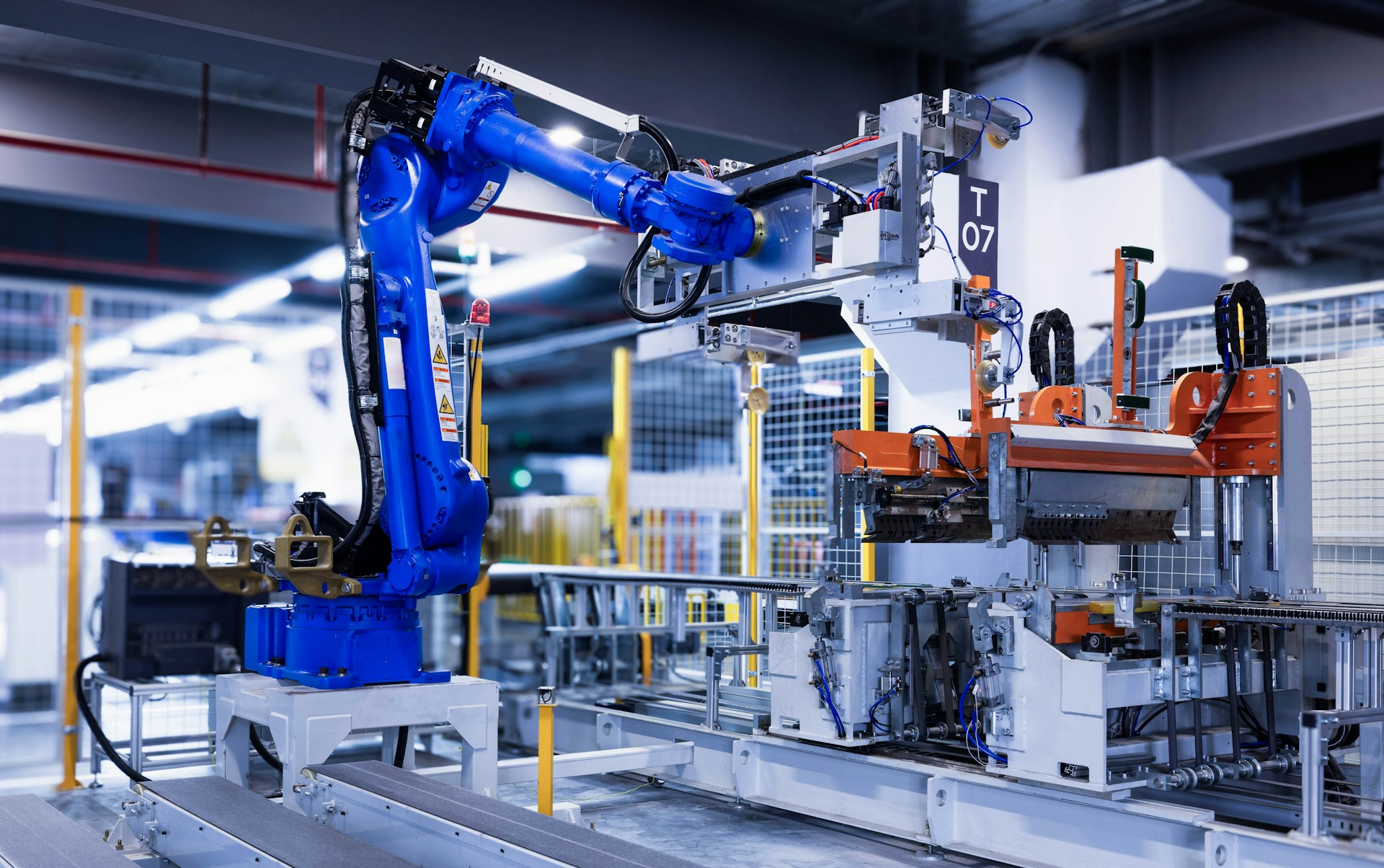
Manufacturing is changing quickly as companies look for faster, safer, and more reliable ways to produce goods. Artificial intelligence and robotics now play a major role in that shift. By combining intelligent software with advanced machines, manufacturers can improve speed, reduce mistakes, and make better use of workers and equipment. In particular, intelligent manufacturing systems help factories analyze information, automate routine tasks, and respond faster when conditions change. As a result, businesses can increase output without lowering quality.
Improving Production Speed Through Automation
Robots can perform many repetitive manufacturing tasks much faster than people. They can assemble parts, package products, move materials, and complete other routine jobs with consistent timing. Therefore, factories can increase production while reducing delays caused by manual processes.
Automation also allows some operations to continue for longer periods with fewer interruptions. Robots do not need regular breaks, and they can repeat the same task with steady accuracy. However, human workers still play an important role in supervision, problem-solving, maintenance, and decision-making.
Strengthening Quality Control With Artificial Intelligence
Quality control has always been important in manufacturing. However, traditional inspection methods may miss small defects, especially when production moves quickly. AI-powered systems can analyze images, measurements, and sensor data to identify problems much earlier.
For example, computer vision tools can inspect products for cracks, incorrect shapes, poor finishes, or missing parts. These systems can process large numbers of products in a short time. As a result, manufacturers can reduce waste and prevent defective goods from reaching customers.
AI can also learn from previous production data. Therefore, it may recognize patterns that show when quality problems are likely to appear.
Reducing Equipment Downtime
Unexpected machine failure can slow production and create expensive delays. Fortunately, AI can help manufacturers detect problems before equipment completely stops working.
Sensors placed on machinery can collect data about temperature, pressure, vibration, and operating speed. AI systems can then study these readings and identify unusual changes. If a machine begins showing signs of wear, maintenance teams can respond early.
This approach allows companies to schedule repairs at better times. Consequently, factories can avoid many emergency shutdowns and keep important equipment running more consistently.
Supporting Workers With Collaborative Robots
Modern robots do not always replace workers. In many factories, collaborative robots work beside people to handle physically demanding or repetitive jobs. These machines are often called cobots.
For example, a cobot may lift heavy parts while a worker handles detailed assembly. It may also move materials between stations while employees focus on tasks that require judgment. Therefore, workers can spend less time on tiring activities and more time on valuable work.
In addition, cobots can help manufacturers improve workplace safety. When machines handle dangerous lifting or repeated motions, workers may face less physical strain.
Making Better Decisions With Real-Time Data
Factories create large amounts of information every day. Machines, production lines, sensors, and software systems all produce useful data. However, businesses need a way to turn that information into practical decisions.
AI can study production data and highlight changes that deserve attention. Manufacturers can use predictive production analytics to estimate equipment needs, detect slowdowns, and identify ways to improve output. This allows managers to make decisions based on current conditions rather than guesswork.
For example, AI may notice that one production line is using more energy than normal. Managers can investigate the cause before the problem becomes expensive. Similarly, data can show which steps in a process create unnecessary delays.
Lowering Waste and Operating Costs
Manufacturing waste can come from damaged products, poor planning, excessive material use, or inefficient equipment. AI and robotics can help reduce many of these problems.
Robotic systems can measure, cut, and assemble materials with high precision. Therefore, manufacturers can use raw materials more efficiently. AI can also predict production demand, which helps companies avoid making too many products.
Energy use can improve as well. Smart systems can monitor machines and identify areas where power is being wasted. Over time, even small efficiency gains can create meaningful cost savings.
However, companies still need to consider the cost of installing and maintaining new technology. Careful planning helps ensure that automation provides long-term value.
Creating More Flexible Factory Operations
Modern customers often expect more product choices and faster delivery. As a result, manufacturers need production systems that can adjust quickly.
Traditional machines may require major changes when a factory begins producing a different item. In contrast, programmable robots can often switch between tasks more easily. AI can also adjust schedules when demand changes or when materials arrive late.
This flexibility is especially useful for manufacturers that produce several product types. Instead of building separate systems for every product, businesses may use adaptable technology across multiple production lines.
At the same time, employees need proper training to work with these systems. Companies that invest in workforce skills can gain more value from their technology.
Building Smarter and More Efficient Factories
AI and robotics are helping manufacturers create connected factories where machines, software, and people work together more effectively. A strong robotic process optimization strategy can improve workflow, shorten production times, and help businesses react quickly to operational problems. Still, companies should introduce automation based on clear goals rather than simply adopting new technology because it is available.
The future of manufacturing will likely depend on cooperation between skilled workers and intelligent machines. Robots can handle repetitive physical tasks, while AI can analyze complex information and support faster decisions. Meanwhile, people provide creativity, experience, and judgment. By combining these strengths, manufacturers can improve efficiency, protect quality, reduce waste, and build production systems that are ready for changing market demands.