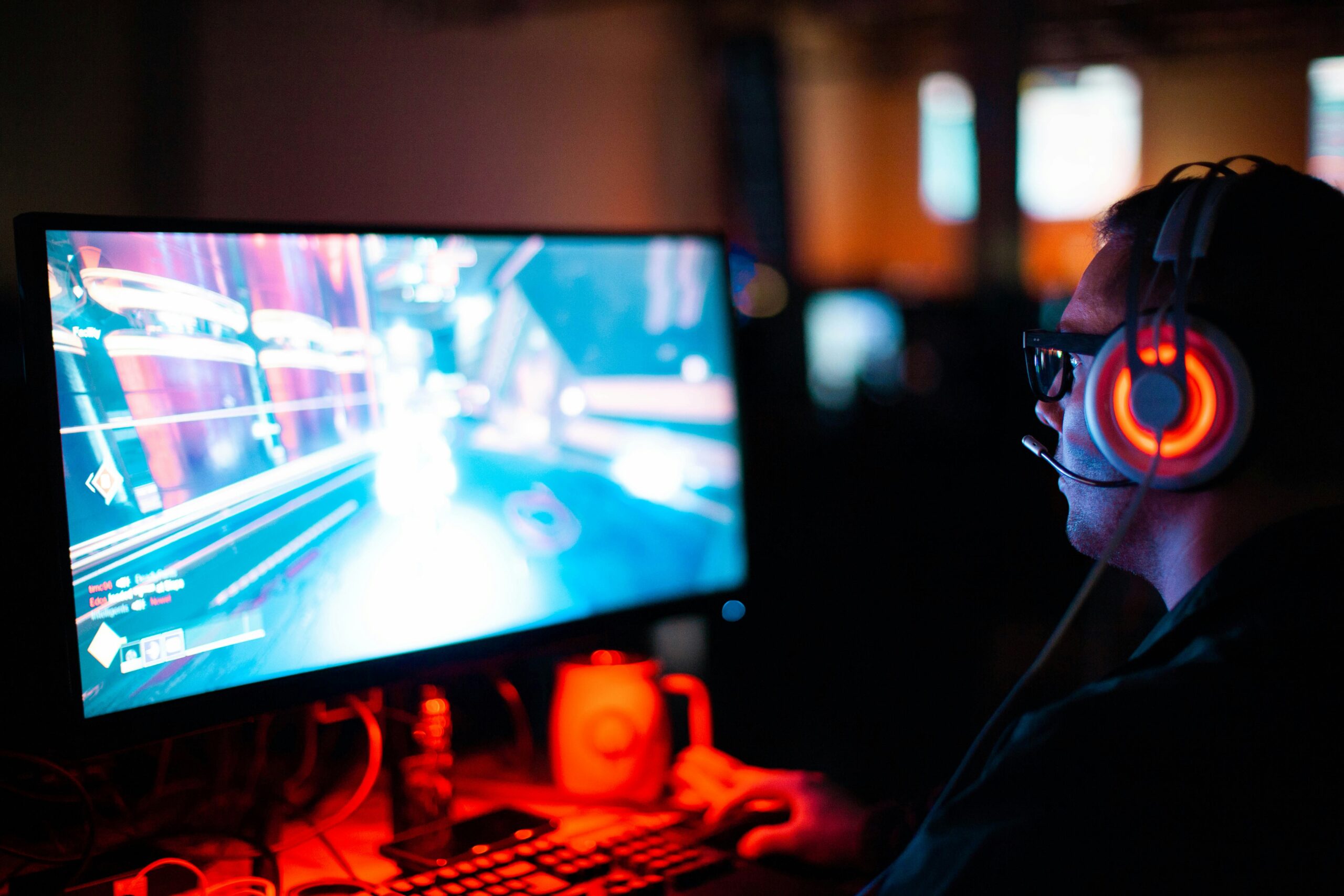
Video games have become a major part of modern entertainment. However, gaming can offer more than fun. Many games challenge players to think, plan, adapt, and make decisions under pressure. As a result, regular gaming can help develop useful problem-solving skills that apply to everyday situations.
Players rarely succeed by pressing buttons without thinking. Instead, they often study a situation, identify a problem, test a solution, and adjust their approach. This process closely matches the way people solve challenges in school, work, and daily life. Moreover, games provide immediate feedback. Therefore, players quickly learn which choices work and which ones need improvement.
Different game types develop different mental abilities. Strategy games encourage planning, while puzzle games strengthen logical thinking. Adventure games often require creativity and exploration. Meanwhile, team-based games teach communication and shared decision-making. Together, these experiences can create a flexible approach to solving problems.
Gaming Encourages Critical Thinking
Critical thinking plays an important role in strong problem-solving skills. Players need to understand information before making useful decisions. Video games often present several choices, yet only some choices lead toward the goal. Therefore, players must compare options and consider possible outcomes.
For example, a strategy game may give players limited resources. They must decide how to use those resources while preparing for future challenges. Spending everything too early may create problems later. On the other hand, waiting too long can also reduce the chance of success. Consequently, players learn to balance current needs with future goals.
Games also encourage players to question their first ideas. A solution that looks obvious may not always work. When it fails, players need to examine the situation again. As a result, they become more comfortable with reviewing evidence and changing their approach.
This habit can support better decisions outside gaming. Instead of reacting immediately to a difficult situation, a person may learn to examine the problem from several angles first.
Players Learn Through Trial and Error
Failure forms a natural part of gaming. Players lose matches, miss objectives, choose incorrect paths, and make poor decisions. However, most games allow them to try again. Because of this structure, gaming can create a useful learning cycle.
First, players attempt a solution. Then, they see the result. If the plan fails, they identify what went wrong and make changes. Afterward, they test the new approach. This repeated process helps strengthen problem-solving skills because players learn through direct experience.
Moreover, games can make failure feel less final. A difficult level may require several attempts before the player discovers the right method. Therefore, players often develop patience and persistence while working toward a goal.
This mindset can become valuable in real situations. People often face problems that do not have an immediate solution. Instead of giving up after an unsuccessful attempt, they can review the mistake and try a different method. Gaming regularly reinforces this pattern of learning, adjustment, and improvement.
Strategy Games Strengthen Planning Skills
Good planning helps people solve complex problems more effectively. Many video games require players to think beyond the present moment. Therefore, players often need to predict what could happen next.
Strategy games provide clear examples. Players may manage resources, build communities, organize teams, or prepare defenses. Every choice can influence future events. Consequently, players learn to connect present actions with later results.
Planning also requires players to set priorities. They may have several goals but limited time or resources. As a result, they must decide which task matters most. This process encourages organized thinking and better judgment.
Furthermore, games often change without warning. A strong plan may suddenly become ineffective because of a new challenge. Players must then adjust while protecting their main goal. Therefore, gaming develops both planning and flexibility.
These abilities have practical value. Students can use similar thinking when managing assignments, while professionals can apply it when organizing projects. In both cases, strong problem-solving skills depend on understanding priorities and preparing for possible challenges.
Games Promote Creative Solutions
Not every problem has one correct answer. In many games, players can reach the same goal through different methods. Therefore, gaming often encourages creativity alongside logical thinking.
Open-world and adventure games especially support exploration. Players may discover hidden paths, combine tools, use the environment, or create unexpected strategies. As they experiment, they learn that difficult problems sometimes require unusual solutions.
Creativity becomes especially useful when familiar methods stop working. Instead of repeating the same action, skilled players search for alternatives. They may change equipment, approach a challenge from another direction, or combine several small ideas into a better strategy.
Moreover, video games can reward curiosity. Players who explore beyond the obvious path often find useful information or resources. Consequently, they learn to investigate before deciding that a problem has no solution.
Creative thinking strengthens problem-solving skills because real-life challenges rarely follow simple patterns. People who can imagine several possible solutions often respond more effectively when conditions change.
Multiplayer Gaming Builds Collaborative Thinking
Many modern games require players to work together. In these situations, individual skill alone may not guarantee success. Instead, players need communication, cooperation, and shared planning.
Team-based games encourage players to explain ideas clearly. They may discuss strategies, divide responsibilities, or warn teammates about risks. Therefore, players learn that solving a problem sometimes requires information from several people.
Additionally, teammates often have different strengths. One player may notice details that another misses, while someone else may develop a better strategy. Successful teams learn to combine these abilities rather than rely on one person.
Gaming also teaches players to adjust when teammates make unexpected choices. Instead of following a fixed plan, they must respond quickly and support the group. As a result, multiplayer games can strengthen flexible thinking and cooperation.
These skills connect closely with school and workplace environments. Group projects, meetings, and professional teams all require people to solve problems together. Therefore, gaming experiences can provide useful practice in communication and collaborative decision-making.
Video games can support valuable mental skills when players approach them with balance and purpose. They encourage critical thinking, planning, creativity, persistence, and teamwork. More importantly, they give players frequent opportunities to make decisions and learn from the results.
Although gaming alone cannot replace education or real-world experience, it can provide an engaging environment for practicing problem-solving skills. Players constantly face challenges that require them to observe, think, test, and adapt. Over time, these habits can encourage a more flexible approach to difficult situations.
Video games show that entertainment and learning can exist together. When players analyze challenges instead of simply reacting to them, gaming becomes an active mental exercise. Therefore, thoughtful gameplay can help people become more confident, creative, and effective problem solvers both inside and outside the virtual world.