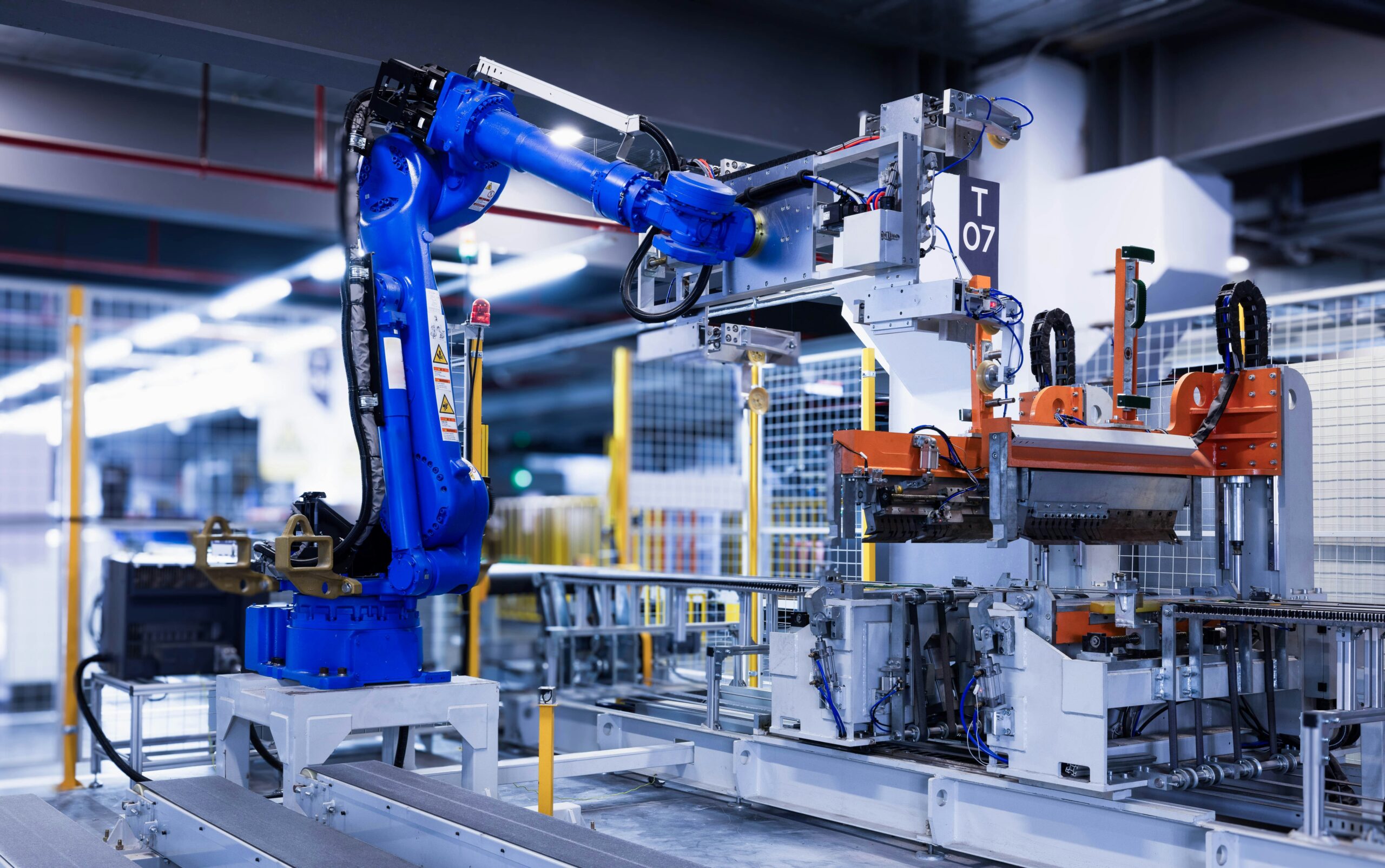
Manufacturing is entering a new era driven by connected machines, intelligent software, and advanced automation. Modern factories no longer depend only on workers operating individual machines. Instead, smart systems can collect data, monitor production, and respond to changing conditions. This shift is making manufacturing technology more efficient, flexible, and reliable. Companies can produce goods faster while reducing waste and controlling operating costs.
Smart factories also help manufacturers respond to growing customer expectations. Buyers want better quality, faster delivery, and more customized products. Traditional production methods often struggle to meet these demands. However, digital manufacturing systems help factories adapt quickly. Manufacturers can monitor equipment, improve workflows, and make faster decisions. As these technologies continue developing, automation will become an important part of competitive manufacturing operations.
Understanding the Rise of Smart Factories
A smart factory uses connected technologies to manage and improve production. Machines, sensors, software, and workers share information throughout the manufacturing process. Sensors can measure temperature, pressure, speed, vibration, and other important conditions. That information helps managers understand what is happening across the factory. As a result, teams can identify problems before they affect production.
The growth of smart manufacturing has become possible because digital technology is more accessible. Cloud platforms can store large amounts of production data. Faster networks allow machines to communicate almost instantly. Meanwhile, affordable sensors make it easier to collect information from equipment. These developments help manufacturers create connected production environments without replacing every existing machine.
Automation Is Changing Everyday Production
Industrial automation has existed for decades, but modern systems offer much greater flexibility. Traditional automated machines usually perform one specific task repeatedly. New automation systems can adjust operations based on changing production conditions. For example, automated equipment can change speed when demand increases. It can also slow production when another part of the line experiences a problem.
Automation can also handle repetitive tasks that require accuracy and consistency. Robots can move materials, assemble components, inspect products, and package finished goods. Therefore, workers can spend more time managing complex processes and solving production problems. This combination of people and machines can improve productivity while creating safer manufacturing environments.
Artificial Intelligence Supports Better Decisions
Artificial intelligence is becoming an important part of manufacturing technology. AI systems can analyze large amounts of factory data much faster than human teams. They can identify patterns that may reveal production problems, equipment issues, or quality concerns. Manufacturers can then use these insights to make better decisions before small problems become costly failures.
AI can also improve production planning. Software can study customer orders, inventory levels, machine capacity, and previous production results. It can then suggest more efficient schedules. As a result, companies can reduce unnecessary downtime and use resources more effectively. Artificial intelligence does not replace every human decision. Instead, it gives managers useful information that supports faster and more accurate choices.
Predictive Maintenance Reduces Equipment Downtime
Unexpected equipment failure can create serious problems for manufacturers. A broken machine can stop an entire production line and delay customer orders. Predictive maintenance helps companies reduce this risk. Sensors continuously collect information about equipment performance. Smart software then studies this information and looks for early signs of mechanical problems.
For example, unusual vibration may suggest that a machine component needs attention. Rising temperatures could indicate excessive friction or another developing issue. Maintenance teams can respond before the equipment fails completely. This approach can reduce repair costs and improve equipment reliability. It also allows companies to schedule maintenance when it causes the least disruption.
Connected Systems Improve Production Visibility
Connected manufacturing systems give managers a clearer picture of factory operations. In traditional facilities, information may remain separated between machines, departments, and software platforms. Smart factories connect these sources. Therefore, managers can view production information from one central system and understand how different parts of the factory affect each other.
Real-time visibility can also improve response times. If production suddenly slows, managers can quickly identify the cause. They might discover a material shortage, equipment issue, or quality problem. Instead of waiting for reports at the end of a shift, teams can act immediately. Better visibility supports stronger production management and helps factories maintain consistent output.
Smart Technology Strengthens Quality Control
Quality control has always played an essential role in manufacturing. However, manual inspections may miss small defects, especially during high-speed production. Modern factories increasingly use cameras, sensors, and automated inspection systems. These technologies can examine products continuously and identify defects that may be difficult for people to notice.
Machine vision systems can check product size, shape, color, placement, and surface condition. When the system finds an unusual product, it can remove it from production automatically. More importantly, manufacturers can study defect data to determine why quality problems occur. This process helps companies improve product quality while reducing wasted materials and costly returns.
Digital Manufacturing Creates Greater Flexibility
Customer preferences can change quickly, so manufacturers need production systems that can adapt. Smart manufacturing technology helps companies switch between products with less disruption. Programmable machines can change settings without requiring major physical changes. Meanwhile, digital instructions can guide workers through new production processes and product requirements.
This flexibility is especially useful for manufacturers offering customized goods or smaller production runs. Companies can respond to customer demand without keeping large amounts of finished inventory. In addition, manufacturers can test new products with lower production risks. Flexible automation makes factories more responsive while helping companies compete in rapidly changing markets.
Automation Can Support Safer Workplaces
Manufacturing jobs sometimes involve heavy lifting, dangerous materials, repetitive movements, or high-temperature environments. Automation can reduce worker exposure to these hazards. Robots can perform physically demanding or dangerous tasks while employees supervise operations from safer locations. Automated systems can also monitor factory conditions and alert workers when unusual situations appear.
However, creating a safer smart factory requires careful planning. Employees need proper training before working around automated equipment. Companies must also establish clear safety procedures and maintain machines correctly. When businesses combine automation with strong safety practices, technology can reduce workplace risks while allowing employees to focus on higher-value responsibilities.
Manufacturing Jobs Will Continue to Evolve
Automation is changing manufacturing jobs, but people remain essential to factory operations. Smart factories need employees who can operate digital systems, analyze production information, maintain automated machines, and solve technical problems. Therefore, manufacturers increasingly need workers with both practical production knowledge and modern digital skills.
Training will become more important as manufacturing technology continues advancing. Companies can help existing employees develop new skills instead of depending entirely on outside hiring. Workers who understand automation, data, equipment, and production processes can become valuable members of modern manufacturing teams. Strong workforce development can also make technology investments more successful.
The Future of Smart Manufacturing Technology
Smart factories will continue evolving as automation, artificial intelligence, robotics, and connected systems become more capable. Manufacturers will gain greater control over production while using real-time data to improve efficiency. Companies that adopt these technologies carefully can reduce downtime, improve quality, control costs, and respond faster to market changes.
However, successful digital transformation requires more than purchasing advanced machines. Manufacturers need clear goals, trained employees, reliable data, and strong production strategies. The future of manufacturing will depend on how effectively businesses connect people with intelligent technology. By combining human expertise with smart factory automation, manufacturers can build productive, flexible, and competitive operations for the years ahead.