Industrial engineering plays a key role in modern manufacturing. As technology advances, factories must improve how they produce goods, manage resources, and maintain quality. As a result, companies need smarter methods to boost efficiency while reducing costs and waste. New digital tools now help engineers develop better production systems and improve daily operations.
Moreover, automation, artificial intelligence, and connected machines are changing industrial processes. These technologies allow manufacturers to collect useful data and make faster decisions. As a result, the next generation of industrial engineering focuses on smarter factories, sustainable production, and flexible manufacturing systems.
Understanding the Evolution of Industrial Engineering
Industrial engineering focuses on improving processes, equipment, and workplace systems. Engineers study how people, machines, and materials work together. Then, they develop practical solutions that increase productivity and reduce waste.
Traditionally, industrial engineers relied on manual inspections and basic production data. However, modern factories now use digital platforms and advanced monitoring tools. As a result, engineers can identify problems faster and make better decisions about production performance.
The Growing Role of Automation in Manufacturing
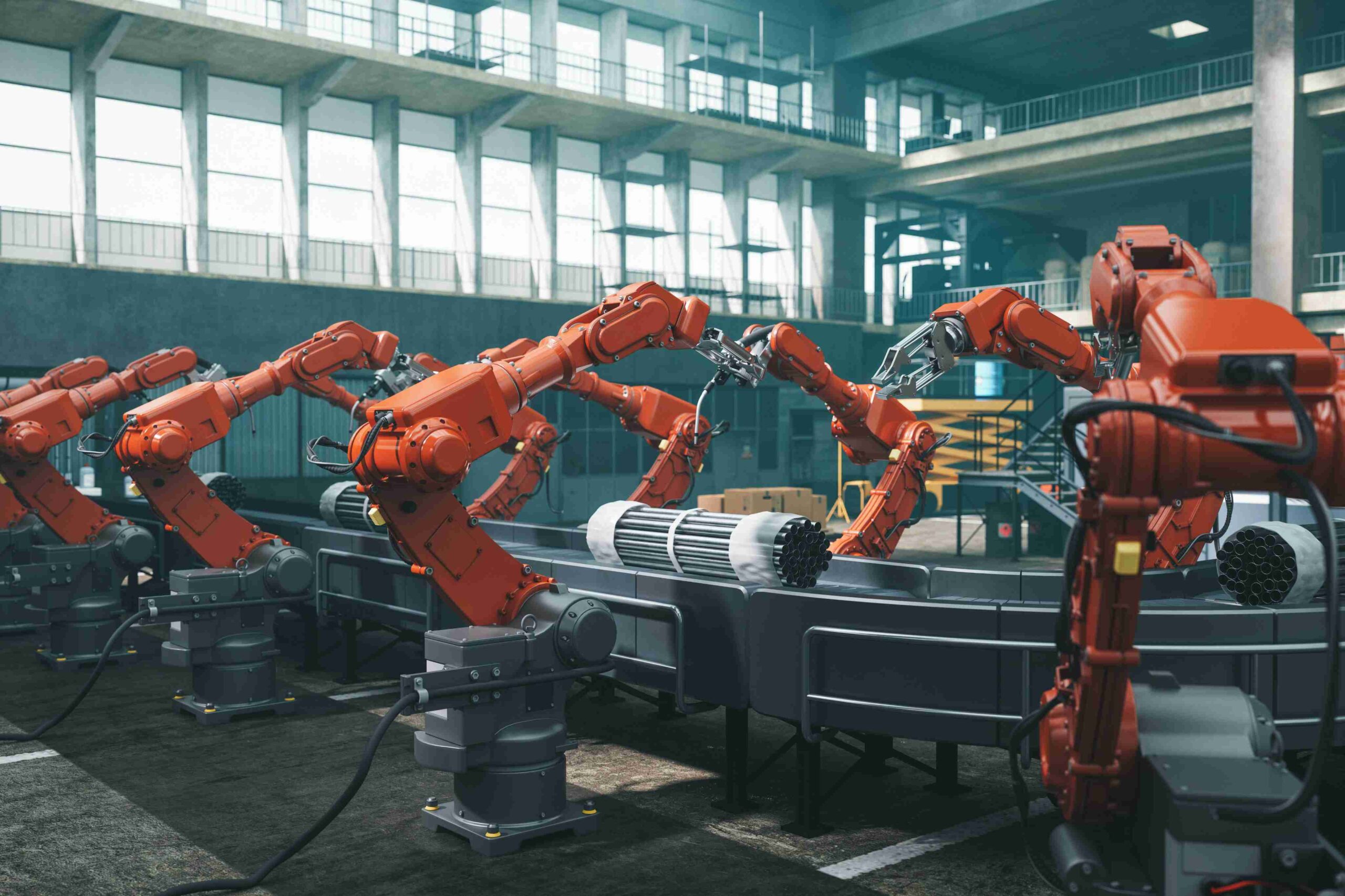
Automation helps manufacturers complete repetitive tasks faster and more consistently. Modern factories use robotic systems, automated equipment, and smart production lines to support daily operations. These technologies also reduce manual errors and improve product quality.
Industrial engineering teams use automation to create more efficient workflows. For example, robotic arms can handle materials, assemble products, and perform quality checks. As a result, employees can focus on tasks that require planning, problem-solving, and technical skills.
Artificial Intelligence and Smarter Production Decisions
Artificial intelligence is becoming an important part of industrial engineering. AI systems analyze large amounts of production data and identify patterns that people may overlook. As a result, manufacturers can use these insights to improve scheduling, equipment performance, and resource planning.
Moreover, machine learning tools help engineers predict equipment problems and identify production delays. For instance, AI software can detect unusual machine behavior before a major failure occurs. As a result, maintenance teams can address issues early and keep production moving.
Smart Factories and Connected Industrial Systems
Smart factories use connected equipment to share information across production systems. Sensors monitor machine conditions, energy use, and manufacturing performance. Digital platforms also help engineers review this information through clear dashboards.
These connected systems improve communication between machines and production teams. For example, a monitoring platform can alert workers when equipment performance changes. As a result, manufacturers can respond quickly and reduce unexpected interruptions.
Improving Production Efficiency Through Data Analysis
Data analysis helps industrial engineers understand how manufacturing processes perform. By reviewing production records, engineers can identify delays, wasted materials, and equipment problems. As a result, companies can make improvements based on clear evidence rather than assumptions.
Furthermore, real-time data lets manufacturers adjust operations as conditions change. Engineers can compare production results, monitor resource use, and evaluate workflow performance. As a result, businesses can increase efficiency while maintaining consistent product standards.
The Importance of Robotics in Modern Industry
Industrial engineers design workflows that allow robots and employees to work effectively. For example, collaborative robots can assist workers with lifting, assembly, and material handling. As a result, factories can improve productivity while reducing physical strain on employees.
Robotics continues to reshape industrial production. Modern robots can perform tasks that require speed, accuracy, and repeated movements. Robotic systems can also support operations in environments that pose risks to human workers.
Sustainable Manufacturing and Resource Management
Sustainability has become an important goal in industrial engineering. Manufacturers must reduce waste, manage energy use, and limit unnecessary resource consumption. Therefore, engineers develop production methods that support both business performance and environmental responsibility.
Moreover, smart monitoring systems help factories identify areas where energy or materials go to waste. For instance, engineers can adjust equipment settings to reduce excess power use. As a result, companies can lower operating expenses while supporting more sustainable manufacturing practices.
Digital Twins and Virtual Production Planning
Digital twin technology allows engineers to create virtual models of machines, production lines, or factory systems. These models use operating data to reflect real equipment conditions. As a result, engineers can study performance and explore possible improvements without immediately changing physical operations.
Virtual testing also helps manufacturers evaluate production layouts and equipment settings. Engineers can compare different scenarios before making expensive changes. As a result, digital twins can reduce planning risks and support more informed decisions.
Strengthening Quality Control With Advanced Technology
Product quality remains a major concern for manufacturing companies. Even small production errors can create waste, increase costs, and affect customer satisfaction. Therefore, industrial engineers must develop reliable quality control methods.
Modern inspection systems use cameras, sensors, and automated software to detect product defects. Engineers can also analyze quality data to identify recurring production issues. As a result, manufacturers can improve consistency and reduce avoidable errors.
Building Flexible and Resilient Supply Chains
Industrial engineering also supports supply chain management. Manufacturers depend on reliable suppliers, transportation networks, and inventory systems to maintain production. However, unexpected delays can disrupt operations and increase expenses.
Advanced planning tools help engineers monitor inventory levels and evaluate supply chain risks. Moreover, data analysis can reveal changes in material demand and delivery schedules. As a result, companies can adjust purchasing plans and maintain more flexible operations.
Developing Skills for the Future Industrial Workforce
New manufacturing technologies require employees to develop updated technical skills. Industrial engineers must understand automation, digital systems, data analysis, and equipment management. Therefore, continuous learning plays an important role in professional development.
Communication and problem-solving skills also remain essential. Engineers must work with production teams, technology specialists, and business leaders to implement improvements. As a result, companies that invest in employee training can adopt new technologies more effectively.