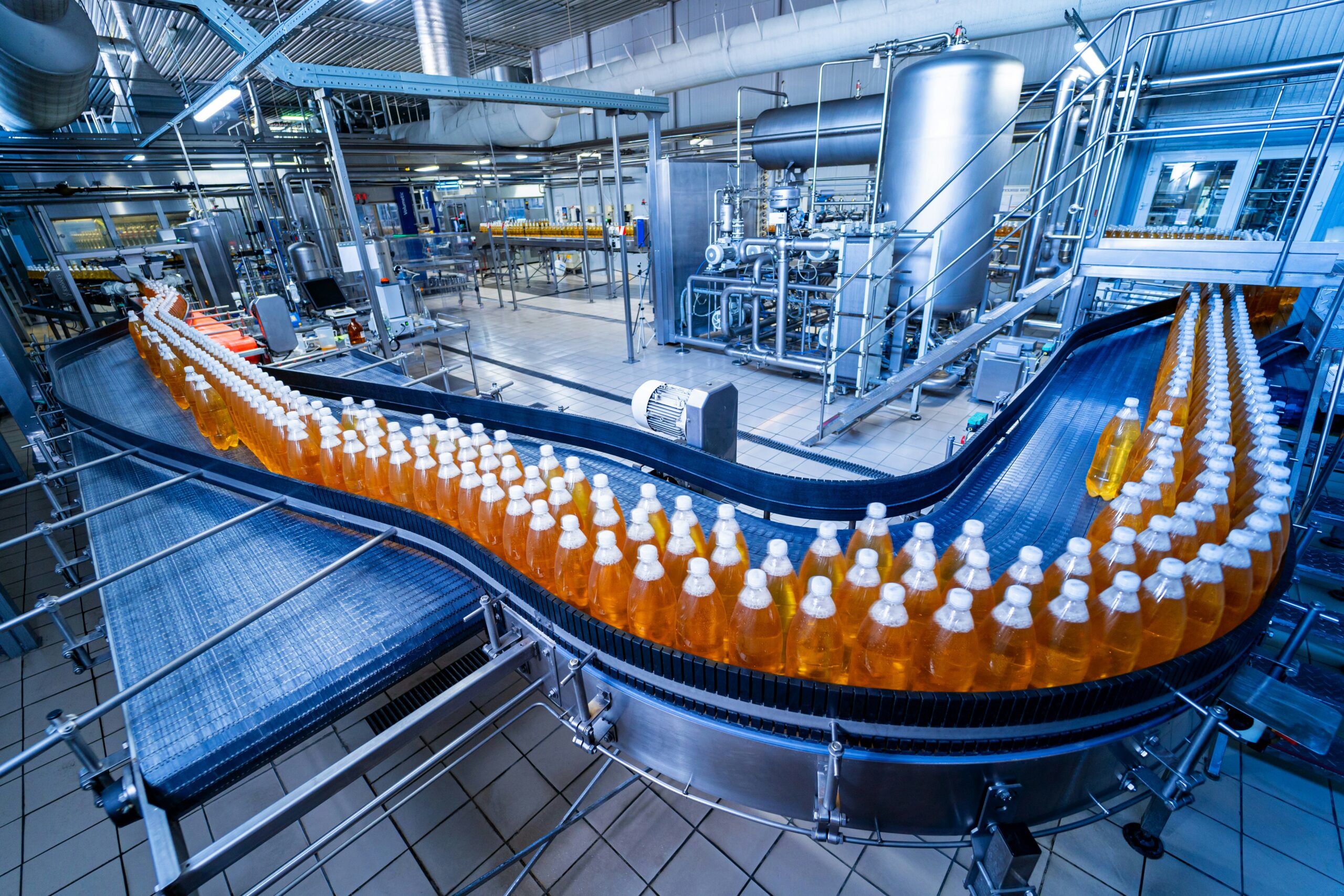
The manufacturing industry has long been associated with high energy consumption, excessive waste, and environmental degradation. However, a paradigm shift is underway as companies embrace sustainable manufacturing practices. Driven by technological innovation, this transformation is helping factories become more efficient, reduce their environmental footprint, and meet growing consumer demand for eco-friendly products. Sustainable manufacturing is no longer a distant goal—it is becoming the standard for forward-thinking businesses.
The Role of Technology in Sustainable Manufacturing
Advancements in technology have revolutionized the way products are designed, produced, and distributed. Smart manufacturing systems now integrate sensors, artificial intelligence, and data analytics to optimize production processes. By monitoring operations in real time, manufacturers can detect inefficiencies, identify potential waste, and implement solutions before problems escalate. This proactive approach reduces the consumption of raw materials and energy, leading to both economic and environmental benefits.
Automation also plays a pivotal role in minimizing waste. Traditional manufacturing often relies on manual processes that are prone to errors, resulting in defective products and excess materials. Robotics and automated assembly lines ensure precision and consistency, reducing mistakes and unnecessary scrap. By reducing human error, companies can conserve resources while maintaining high-quality standards.
Energy Efficiency Through Innovation
Energy consumption is one of the largest contributors to a factory’s environmental impact. Modern technology offers a variety of ways to enhance energy efficiency. Smart grids and energy management systems enable manufacturers to track and optimize electricity usage in line with demand. For instance, machines can be programmed to operate during off-peak hours, reducing energy costs and minimizing strain on power resources. Additionally, advanced heating, ventilation, and cooling systems can adjust automatically based on production schedules, further conserving energy.
Incorporating renewable energy sources, such as solar panels or wind turbines, has also become more feasible with technological advancements. These alternatives reduce reliance on fossil fuels and lower carbon emissions, aligning manufacturing operations with broader sustainability goals. By investing in energy-efficient technology, businesses not only reduce their environmental footprint but also improve long-term profitability.
Reducing Material Waste with Digital Solutions
One of the most significant challenges in manufacturing is the overuse of materials and the generation of waste. Digital design and simulation tools are helping companies address this issue by allowing engineers to test products virtually before committing to physical production. This reduces the likelihood of design errors that could result in defective parts and wasted materials.
Additive manufacturing, commonly known as 3D printing, is another innovation that has transformed material efficiency. Unlike traditional methods that often require cutting away excess material, additive processes build objects layer by layer, using only the necessary amount of raw material. This not only minimizes waste but also enables more complex designs that were previously impossible or uneconomical.
Supply Chain Optimization and Circular Practices
Technology also enhances sustainability beyond the factory floor. Supply chain management software allows manufacturers to track materials from suppliers to end customers, ensuring that resources are used responsibly and efficiently. By analyzing data on transportation, storage, and inventory, companies can streamline operations, reduce overproduction, and prevent surplus waste from reaching landfills.
Circular manufacturing practices, supported by technology, encourage the reuse and recycling of materials. For example, sensors and tracking systems can identify products at the end of their lifecycle, enabling companies to recover valuable components and reintroduce them into production. This approach reduces the demand for virgin materials and fosters a more sustainable manufacturing ecosystem.
The Economic and Environmental Impact
Sustainable manufacturing benefits both businesses and the environment. By reducing waste and optimizing energy consumption, companies can significantly lower operational costs. Efficiency improvements lead to faster production times, fewer defects, and higher quality products, giving businesses a competitive advantage.
From an environmental perspective, reducing carbon emissions, waste generation, and resource depletion contributes to the global effort to combat climate change. Consumers are increasingly drawn to brands that prioritize sustainability, meaning that eco-conscious practices can also enhance reputation and market appeal.
Technology as a Driver of Change
The future of manufacturing is intertwined with technological innovation and environmental responsibility. As technologies continue to evolve, manufacturers will have even greater opportunities to minimize waste, enhance efficiency, and create a more sustainable industrial landscape. Artificial intelligence, machine learning, and advanced robotics are expected to streamline production further, while renewable energy and circular supply chains will continue to reduce the environmental impact of manufacturing.
Sustainable manufacturing represents a shift in mindset as much as it does in practice. By embracing technology, companies are not only improving efficiency and reducing costs but also contributing to a healthier planet. This integration of innovation and responsibility is setting the standard for a new era of manufacturing—one that balances economic growth with environmental stewardship.